

PILBARA
OVERVIEW
The Pilbara owes its unique identity to its rich heritage and culture, and in particular its diverse Indigenous and multi-cultural heritage. Today there are more than 31 rich and diverse Aboriginal cultural groups in the Pilbara, and Jawun began working with Indigenous communities of the Pilbara in 2022.
The Pilbara region has a relatively short history of economic colonisation, starting with the pearling and pastoral industries in the second half of the 19th Century, before mining for iron ore and other minerals began in the 1960s and continued to intensify into the 21st Century. Economic colonisation in the region has come at a significant cost to Pilbara Aboriginal groups, who have been largely displaced from their traditional lands, and now live in the regions major centres and surrounding mining towns.
Through native title agreements and partnerships with mining companies, Aboriginal groups are increasingly positioning themselves as key stakeholders shaping the future of the region. There is a focus amongst local Indigenous organisations on preserving and protecting landholdings for future generations and improving the lives and livelihood of the local community. This is delivered through Ranger and Caring for Country initiatives, employment and training programs and delivery of services focussed on social and economic outcomes for Indigenous communities.
The region is home to the World Heritage Listed Murujuga National Park, which has the largest and most diverse collections of petroglyphs in the world. The images depicted in the rock art capture more than 50,000 years of human existence. The Park is part of the National Heritage listed Dampier Archipelago and Montebello and Mackerel Islands.
WORKING WITH THE COMMUNITY
-
![MURUJUGA ABORIGINAL CORPORATION]()
MURUJUGA ABORIGINAL CORPORATION
-
![NGARLIYARNDU BINDIRRI ABORIGINAL CORPORATION]()
NGARLIYARNDU BINDIRRI ABORIGINAL CORPORATION
-
![NGARLUMA YINDJIBARNDI FOUNDATION LIMITED]()
NGARLUMA YINDJIBARNDI FOUNDATION LIMITED
-
![]()
BRIDA
-
![]()
PUUTU KUNTI KURRAMA PEOPLE ABORIGINAL CORPORATION
-
![]()
MAWARNKARRA HEALTH SERVICE
-
![]()
YINDJIBARNDI NATION



FIELD TEAM
-
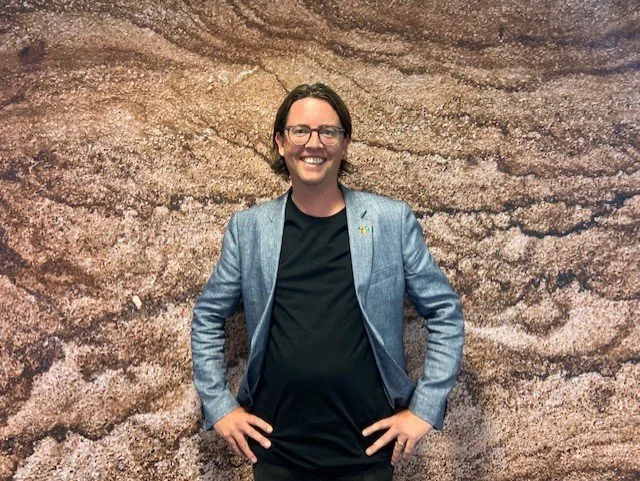
General Manager, Regional Investment
Dave leads Jawun's regional portfolio, working alongside Indigenous organisations, corporate partners and government stakeholders to support community-led outcomes across Australia. He provides strategic leadership across regional investment priorities, long-term partnerships and initiatives that strengthen capability, self-determination and sustainable impact.
Prior to joining Jawun, Dave spent eighteen years with Westpac, holding leadership roles across retail banking, Indigenous banking, wealth and investment services, financial solutions and risk. His commitment to Indigenous affairs includes serving as National Co-Chair of Westpac's Indigenous Employee Action Group, Brothers & Sisters, contributing to Reconciliation Action Plan initiatives, and completing a Jawun secondment with Ganbina in 2013.
Passionate about the power of partnership, Dave believes lasting impact is achieved through collaboration, shared learning and Indigenous-led solutions. Outside of work, he enjoys permaculture, camping and outdoor adventures with his wife and three boys.